
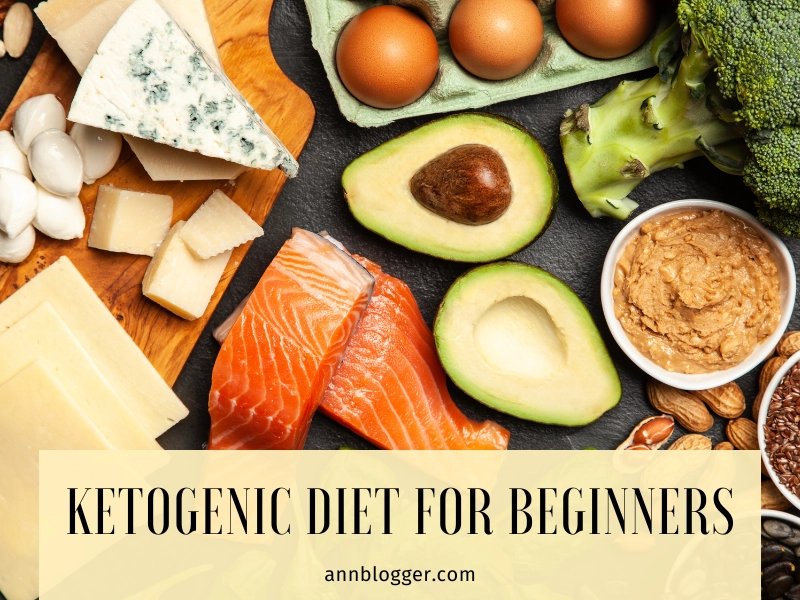
Ketogenic Diet for Beginners: A Simple Starter’s Guide
If you’ve been hearing the buzz about the ketogenic diet for beginners and wondering what all the hype is about, you’re not alone. This low-carb, high-fat eating plan has become one of the most popular diets worldwide—helping people lose weight, manage blood sugar, and even boost mental clarity.
But if you’re a beginner, it can be overwhelming. What do you eat? What should you avoid? And how do you actually start without feeling lost? Don’t worry—I’m here to break it down for you in the simplest way possible so you can begin your ketogenic journey with confidence.
What Is the Ketogenic Diet?
The ketogenic diet—or “keto” for short—is a low-carb, high-fat diet designed to shift your body into a metabolic state called ketosis. In ketosis, your body burns fat for fuel instead of glucose from carbs. This process creates ketones, which serve as an efficient energy source for your brain and body.
Typical keto macronutrient breakdown:
- 70–75% fat
- 20–25% protein
- 5–10% carbohydrates
This ratio drastically limits carbs so your body has no choice but to switch its primary fuel source from sugar to fat.
Benefits of the Ketogenic Diet
While weight loss is one of the most talked-about perks, the ketogenic diet offers many other benefits:
- Supports weight loss by reducing appetite and promoting fat burning.
- Stabilizes blood sugar levels—helpful for people with type 2 diabetes or insulin resistance.
- Improves mental focus as ketones provide steady brain fuel.
- Boosts energy by avoiding the highs and lows of sugar spikes.
- May reduce seizures in people with epilepsy—a use backed by medical research.
Common Mistakes Beginners Make
Before jumping in, it’s important to avoid these rookie errors:
- Not tracking carbs carefully – Even “healthy” carbs like oats, bananas, or sweet potatoes can kick you out of ketosis.
- Eating too much protein – Excess protein can convert into glucose in the body, stalling ketosis.
- Forgetting electrolytes – When carbs drop, so does water and mineral balance, which can cause the dreaded keto flu.
- Not eating enough fat – You need to replace lost carbs with healthy fats for energy.
Foods to Eat on the Ketogenic Diet
Fill your plate with these keto-friendly staples:
- Healthy fats: Avocados, olive oil, coconut oil, butter, ghee
- Protein: Eggs, chicken, beef, pork, fish, seafood
- Low-carb veggies: Spinach, broccoli, cauliflower, zucchini, mushrooms
- Dairy: Cheese, heavy cream, plain Greek yogurt (unsweetened)
- Nuts and seeds: Almonds, walnuts, chia seeds, flaxseeds
Foods to Avoid on the Ketogenic Diet
Skip these carb-heavy foods to stay in ketosis:
- Bread, pasta, rice, cereals
- Potatoes, sweet potatoes, corn
- Most fruits (except small portions of berries)
- Sugary drinks, desserts, candy
- Processed snacks and high-carb sauces
How to Start the Ketogenic Diet in 5 Easy Steps
- Set your carb limit – Most people start with 20–30g net carbs per day.
- Plan your meals – Focus on high-fat, moderate-protein, and low-carb foods.
- Stay hydrated – Drink at least 2–3 liters of water daily.
- Supplement electrolytes – Sodium, potassium, and magnesium help prevent keto flu.
- Be patient – It can take a few days to a week to fully enter ketosis.
What Is Keto Flu and How to Avoid It?
When you first start the ketogenic diet, your body goes through an adjustment period as it switches from burning carbs to burning fat. Some people experience flu-like symptoms, including headaches, fatigue, nausea, and irritability—commonly called the keto flu.
Tips to prevent keto flu:
- Drink plenty of water
- Increase your salt intake slightly
- Add potassium-rich foods like spinach and avocado
- Ease into keto gradually instead of cutting carbs overnight
Sample 1-Day Ketogenic Diet Meal Plan for Beginners
Breakfast: Scrambled eggs cooked in butter with spinach and avocado slices
Lunch: Grilled chicken salad with olive oil dressing and feta cheese
Snack: A handful of almonds and cucumber slices
Dinner: Baked salmon with roasted cauliflower and zucchini noodles
Final Tips for Success
Starting the ketogenic diet doesn’t have to be complicated. Keep your carb intake low, load up on healthy fats, and don’t fear the transition period. Once your body adapts, you’ll likely feel more energetic, less hungry, and more in control of your cravings.
Remember: The ketogenic diet isn’t a one-size-fits-all approach. Listen to your body, adjust as needed, and consult with a healthcare professional if you have any existing health conditions.