
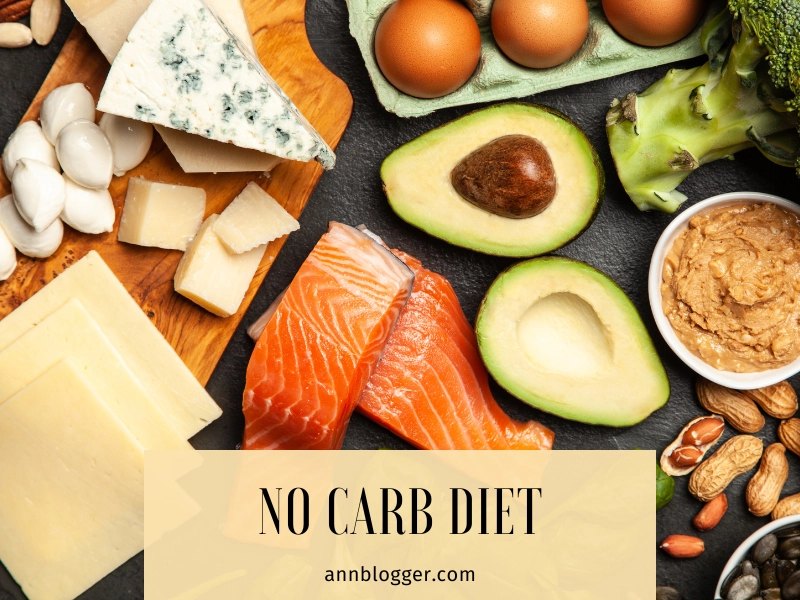
No Carb Diet: Beginner’s Guide with a 7-Day Meal Plan
If you’ve been thinking about losing weight, boosting energy, or improving your overall health, you’ve probably heard about low-carb diets. But what if you take it one step further—cutting carbs completely? That’s where the No Carb Diet comes in.
This eating plan focuses on eliminating all sources of carbohydrates, encouraging your body to rely on fats and proteins for fuel. While it can be challenging, many people swear by its results for weight loss, blood sugar control, and increased mental clarity.
In this guide, we’ll cover everything you need to know about the No Carb Diet—what it is, how it works, the benefits, foods to eat, foods to avoid, and a 7-day no carb diet meal plan you can start using today.
What Is a No Carb Diet?
A No Carb Diet is a type of eating plan where you completely eliminate carbohydrates from your meals. That means no bread, pasta, rice, sugary snacks, or starchy vegetables. Instead, you focus on:
- Protein-rich foods like meat, fish, eggs, and poultry
- Healthy fats such as butter, olive oil, and avocado
- Non-starchy vegetables in small amounts (some strict versions remove them entirely)
The idea is to push your body into a state called ketosis, where it burns fat for energy instead of relying on glucose from carbs.
Benefits of a No Carb Diet
While many people choose this eating plan for weight loss, the No Carb Diet offers several other benefits.
1. Rapid Weight Loss
Without carbs, your body uses stored fat for fuel, often leading to quick fat loss.
2. Improved Blood Sugar Control
Avoiding carbs helps stabilize blood sugar levels, especially for those with insulin resistance or type 2 diabetes.
3. Reduced Cravings
Cutting carbs—especially sugar—reduces hunger and food cravings.
4. Better Mental Focus
Some people report improved concentration and fewer “brain fog” moments when in ketosis.
5. Reduced Bloating
Lower carbohydrate intake means less water retention, which can make you feel lighter and less bloated.
Foods to Eat on a No Carb Diet
Here’s what your grocery list might include:
Protein Sources
- Beef, chicken, turkey, pork
- Fish like salmon, tuna, and mackerel
- Eggs (boiled, scrambled, poached)
Healthy Fats
- Butter, ghee, coconut oil, olive oil
- Avocados
- Cheese and cream (in moderation)
Low-Carb Vegetables (optional in strict plans)
- Spinach, kale, and other leafy greens
- Zucchini
- Broccoli and cauliflower
Beverages
- Water (plain or sparkling)
- Black coffee
- Unsweetened tea
Foods to Avoid on a No Carb Diet
You’ll need to completely avoid:
- Bread, pasta, rice, oats, cereal
- Potatoes, sweet potatoes, corn
- Sugary snacks, candy, cakes, pastries
- Fruit (most fruits are high in carbs)
- Legumes like beans and lentils
- Milk (contains natural sugars)
7-Day No Carb Diet Meal Plan
This no carb diet meal plan will help you start strong while keeping meals delicious and satisfying.
Pro Tip: Always drink plenty of water, and use herbs, spices, and no-carb condiments like mustard or hot sauce for flavor.
Day 1
Breakfast: Scrambled eggs with spinach cooked in butter
Lunch: Grilled chicken thighs with olive oil and a side of zucchini noodles
Snack: Cheese slices or deviled eggs
Dinner: Pan-seared salmon with steamed broccoli (optional for very low-carb)
Day 2
Breakfast: Omelette with mushrooms and cheddar cheese
Lunch: Tuna salad with mayonnaise and lettuce wraps
Snack: Pepperoni slices with cream cheese
Dinner: Ribeye steak with sautéed spinach in garlic butter
Day 3
Breakfast: Fried eggs with bacon
Lunch: Turkey burger patties topped with melted cheese (no bun)
Snack: Hard-boiled eggs with paprika
Dinner: Grilled shrimp with cauliflower mash
Day 4
Breakfast: Egg muffins with sausage and green peppers
Lunch: Grilled chicken breast with avocado slices
Snack: Cheese cubes with olives
Dinner: Pork chops with sautéed zucchini
Day 5
Breakfast: Scrambled eggs with smoked salmon
Lunch: Beef stir-fry with mushrooms (use coconut oil)
Snack: Small serving of macadamia nuts (optional for moderate no-carb)
Dinner: Lamb chops with roasted cauliflower
Day 6
Breakfast: Poached eggs with butter and spinach
Lunch: Chicken salad with celery, mayonnaise, and lettuce cups
Snack: Salami slices with mozzarella
Dinner: Grilled tilapia with garlic butter green beans
Day 7
Breakfast: Cheese and egg scramble with herbs
Lunch: Bunless cheeseburger with a fried egg on top
Snack: Boiled eggs with a dash of salt
Dinner: Roast chicken with steamed zucchini ribbons
Tips for Success on a No Carb Diet
Starting a No Carb Diet can feel overwhelming, but these tips will help you stay on track:
- Plan your meals ahead to avoid grabbing high-carb snacks.
- Keep high-protein snacks like boiled eggs or cheese handy.
- Stay hydrated—water helps reduce carb withdrawal headaches.
- Add extra salt in the first week to prevent fatigue.
- Listen to your body—adjust as needed and seek professional guidance if unsure.
Possible Side Effects and How to Handle Them
During the first few days, you might experience the “keto flu”—headaches, fatigue, and irritability.
How to ease it:
- Drink plenty of water
- Add electrolytes (sodium, potassium, magnesium)
- Get enough rest
- Reduce carbs gradually before going zero-carb
Is the No Carb Diet Right for You?
The No Carb Diet can be powerful for weight loss and improved health, but it’s not for everyone. People with certain health conditions—such as kidney disease or those who are pregnant—should consult a doctor before starting.
If you’re ready to commit, this eating plan could be the reset your body needs to burn fat more efficiently and boost your energy.
Final Thoughts on the No Carb Diet
The No Carb Diet is a bold choice, but for many, the results are worth it. By focusing on protein, healthy fats, and minimal to no carbs, you can potentially experience rapid weight loss, fewer cravings, and better focus.
Remember: preparation is key—stock your kitchen with no-carb essentials, plan your meals, and give your body time to adjust.
Follow this guide and 7-day meal plan, and you’ll have everything you need to start your no carb journey successfully.
No Carb Diet FAQs
1. What can I eat on a no carb diet?
On a no carb diet, you can eat protein-rich foods like meat, fish, poultry, and eggs, along with healthy fats such as butter, olive oil, and avocado. Some people also include low-carb vegetables like spinach, zucchini, and broccoli in small amounts.
2. Can I lose weight fast on a no carb diet?
Yes. Many people experience rapid weight loss during the first week of a no carb diet because the body burns stored fat for fuel instead of relying on carbohydrates. However, some of the initial weight loss is due to water loss.
3. Is cheese allowed on a no carb diet?
Yes, most cheeses are very low in carbs and can be enjoyed in moderation. Just check nutrition labels, as some cheeses may contain small amounts of carbs from added ingredients.
4. Can I eat fruit on a no carb diet?
Most fruits are high in natural sugars (carbs) and are not included in a strict no carb diet. If you want to keep carbs near zero, it’s best to avoid fruit altogether.
5. Is the no carb diet safe long term?
For some people, a no carb diet can be followed safely with proper planning and nutrient intake. However, it’s not suitable for everyone. Always consult your doctor before making major dietary changes, especially if you have health conditions.
6. Will I feel tired without carbs?
Some people experience fatigue in the first few days due to carb withdrawal (often called the “keto flu”). Staying hydrated, adding electrolytes, and eating enough protein and fat can help reduce tiredness.
7. Can I drink coffee on a no carb diet?
Yes, black coffee is carb-free and allowed. If you add cream, choose heavy cream instead of milk to keep carbs very low. Avoid sugar and flavored creamers.
8. How long should I follow a no carb diet?
This depends on your health goals. Some people follow it short-term for quick fat loss, while others make it a long-term lifestyle. Listen to your body and adjust as needed.
9. What are the side effects of a no carb diet?
Possible side effects include headaches, fatigue, constipation, bad breath, and nutrient deficiencies if the diet is not balanced. Most side effects improve after the first week.
10. Can I exercise on a no carb diet?
Yes, but your body may take time to adjust to using fat for fuel instead of carbs. Start with light to moderate workouts and gradually increase intensity as your energy stabilizes.