
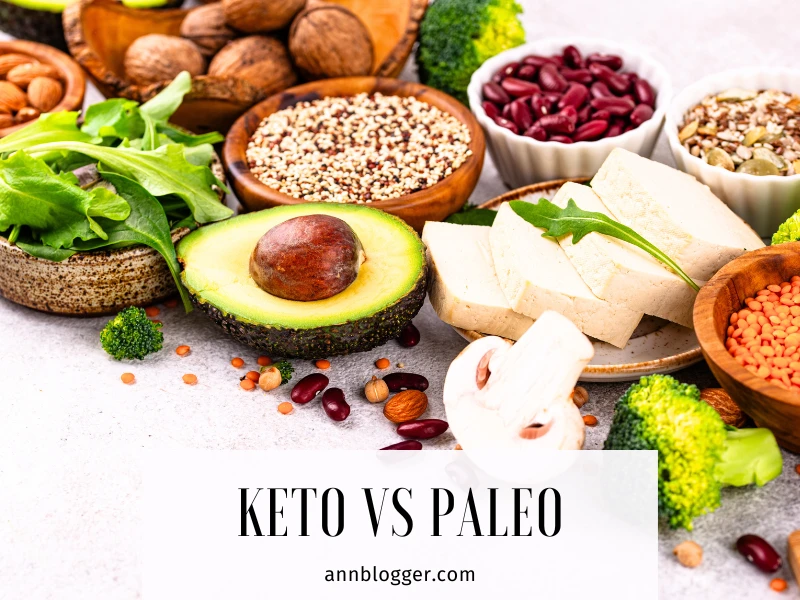
Keto vs Paleo: Which Diet Is Right for You?
If you are trying to lose weight, improve your energy, or eat healthier, you have probably come across two popular diets: keto and paleo. Many people search for keto vs. paleo because both diets remove processed foods, reduce sugar, and promise real results. However, they work in very different ways, and choosing the wrong one can lead to frustration, burnout, or weight regain.
This comprehensive guide is designed to help you fully understand the keto diet vs. paleo diet, how they compare, and which one fits your lifestyle best. Whether you are a beginner or have tried diets before, this post will walk you through everything step by step in simple language.
By the end of this article, you will know exactly which diet makes the most sense for you and why.
What Is the Keto Diet?
The ketogenic diet, or keto diet, is a very low-carbohydrate, high-fat way of eating. Its main goal is to put your body into a metabolic state called ketosis.
When you eat very few carbohydrates, your body no longer has enough glucose for energy. Instead, it begins to burn fat and produce ketones, which are used as fuel.
How the Keto Diet Works
On a traditional keto diet, carbohydrates are kept extremely low. This lowers insulin levels and allows stored fat to be burned more efficiently. Many people experience rapid weight loss during the first few weeks, partly due to fat loss and partly due to reduced water weight.
Typical keto macronutrient ranges:
- Fat: about 70–75 percent of daily calories
- Protein: about 20–25 percent
- Carbohydrates: about 5–10 percent
Most people aim for fewer than 20 to 50 grams of net carbs per day.
Foods Commonly Eaten on Keto
Keto-friendly foods include meat, poultry, fish, eggs, cheese, butter, olive oil, coconut oil, avocados, nuts, seeds, and low-carb vegetables such as leafy greens, broccoli, cauliflower, and zucchini.
Foods Avoided on Keto
Foods high in carbohydrates are restricted. These include sugar, bread, pasta, rice, cereal, potatoes, beans, lentils, most fruits, and all grains. Even nutritious foods like oats and bananas are usually avoided because they raise blood sugar.
What Is the Paleo Diet?
The paleo diet focuses on eating foods that resemble what humans may have eaten before modern agriculture. Instead of counting macros, paleo emphasizes whole, natural foods and avoids modern processed ingredients.
How the Paleo Diet Works
Paleo removes foods that became common after farming, such as grains, dairy, and legumes. There is no need to track calories or carbohydrates. You simply choose foods that are minimally processed and nutrient-dense.
Foods Commonly Eaten on Paleo
Paleo-friendly foods include meat, poultry, fish, eggs, vegetables, fruits, nuts, seeds, and healthy fats like olive oil and avocado oil.
Foods Avoided on Paleo
The paleo diet excludes grains, dairy, legumes, refined sugar, seed oils, and processed foods. Unlike keto, paleo allows fruit and starchy vegetables, which means carbohydrate intake is usually moderate.
Keto vs. Paleo: Key Differences Explained
While keto and paleo share the goal of reducing processed foods, their philosophy is very different.
Keto focuses on macronutrient control, especially carbohydrates, to force the body into ketosis. Paleo focuses on food quality and simplicity, without worrying about carb counts.
Keto allows dairy, while paleo removes it. Paleo allows fruit, while keto limits it. Keto requires tracking and discipline, while paleo is more flexible and intuitive.
Understanding these differences is important when deciding which diet fits your life long-term.
Keto vs. Paleo for Weight Loss
Weight Loss on Keto
Many people lose weight quickly on keto. Appetite suppression is common, cravings are reduced, and blood sugar levels become more stable. This makes it easier for some people to eat fewer calories without feeling hungry.
However, keto can be difficult to maintain. Social events, eating out, and family meals often include carbohydrates, making strict keto challenging long-term.
Weight Loss on Paleo
Weight loss on paleo is usually slower but more sustainable. Because you are eating whole foods and eliminating ultra-processed calories, many people naturally reduce overeating. Paleo also supports digestion and reduces inflammation.
Paleo requires mindful portion sizes, especially with calorie-dense foods like nuts and oils.
If you want fast, noticeable results, keto may work better. If you want steady progress and a lifestyle you can maintain, paleo often wins.
Keto vs. Paleo for Women
Women often respond differently to restrictive diets. Very low-carb eating can sometimes affect hormones, energy levels, or stress if done too aggressively.
Many women find paleo easier to sustain because it includes fruits and carbohydrates that support workouts and daily energy. Others do well on keto when it is done carefully with adequate protein, electrolytes, and calories.
Listening to your body is key. A diet that works for one person may not work the same way for another.
Keto vs. Paleo for Beginners
For beginners, paleo is usually the easier option. There is no tracking, fewer rules, and more flexibility. It is easier to eat out and cook for others.
Keto requires planning, label reading, and adjustment during the first few weeks. Beginners may experience fatigue or headaches during adaptation.
If you are new to dieting, paleo is often the better place to start.
Energy, Exercise, and Daily Life
On keto, energy levels often stabilize after adaptation, but workouts may feel harder at first. High-intensity exercise can be challenging without carbohydrates.
Paleo supports exercise more easily because it includes natural carbohydrate sources. This makes it a better fit for active lifestyles.
Pros and Cons of the Keto Diet
Keto can lead to rapid fat loss, appetite control, and reduced sugar cravings. It can also help with blood sugar management.
At the same time, it is restrictive, socially difficult, and requires careful planning to avoid nutrient and fiber deficiencies.
Pros and Cons of the Paleo Diet
Paleo supports whole-food nutrition, digestion, and long-term health. It is flexible and easier to maintain.
However, it excludes dairy and legumes, which some people enjoy. It can also be more expensive depending on food choices.
Can You Combine Keto and Paleo?
Yes. Many people follow a flexible approach that combines both diets. This often includes eating paleo-style whole foods while keeping carbohydrates lower most days, with occasional higher-carb meals.
This approach can provide balance and prevent burnout while still supporting fat loss.
Which Diet Is Right for You?
Choose keto if you want rapid fat loss, prefer low-carb eating, and do well with structure.
Choose paleo if you want long-term balance, enjoy fruits and variety, and prefer a lifestyle approach.
The best diet is the one you can follow consistently without stress.
Common Mistakes People Make
Many people choose a diet that is too restrictive for their lifestyle. Others focus only on short-term results and ignore sustainability. Skipping protein, under-eating, or following rules too strictly can also lead to burnout.
Consistency matters more than perfection.
Frequently Asked Questions
Is keto better than paleo for weight loss?
Keto often produces faster results, while paleo is easier to maintain long-term.
Can you eat fruit on keto?
Fruit is very limited on keto but allowed freely on paleo.
Is paleo healthier than keto?
Both can be healthy if done correctly. Paleo focuses more on long-term food quality.
Final Verdict: Keto vs. Paleo
There is no single best diet for everyone.
Keto is powerful but strict.
Paleo is flexible and sustainable.
The right choice depends on your goals, preferences, and lifestyle. Choose the diet that supports your health and fits into your real life.