
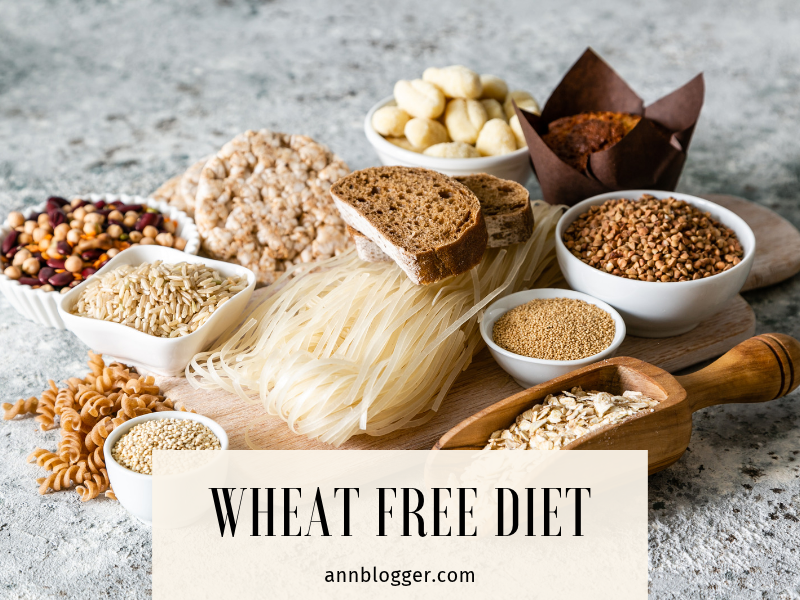
Wheat Free Diet: What to Eat, What to Avoid, and a 7-Day Menu
A wheat free diet removes wheat and foods made with wheat ingredients. It can still include satisfying meals built around rice, potatoes, beans, vegetables, fruit, eggs, and other suitable foods. The challenge is often checking the less obvious ingredients in sauces, seasonings, and packaged products.
This guide explains the difference between wheat-free and gluten-free eating, offers practical shopping ideas, and includes a flexible seven-day menu. It is general education, not a diagnosis or a personalized allergy treatment plan.
What Is a Wheat Free Diet?
A wheat-free diet excludes wheat, including varieties such as spelt and durum. It also excludes products made from wheat, such as ordinary wheat pasta and couscous. It does not automatically exclude every grain, carbohydrate, or dairy product.
Your reason for avoiding wheat matters. Someone with a diagnosed wheat allergy needs an individualized avoidance plan. Someone with celiac disease needs a gluten-free diet, which involves restrictions beyond wheat alone.
Quick answer: Wheat-free describes the ingredient being avoided. Gluten-free describes restrictions involving gluten from wheat, barley, rye, and their crossbreeds. These terms are not interchangeable. Institute of Child Nutrition: Wheat allergy fact sheet
Wheat-Free vs. Gluten-Free: The Important Difference
| Question | Wheat-free diet | Gluten-free diet |
|---|---|---|
| What is excluded? | Wheat and relevant wheat-derived ingredients | Gluten from wheat, barley, rye, and related crossbreeds |
| Are barley and rye automatically excluded? | No, although individual allergies may require this | Yes |
| Is this the diet for celiac disease? | Removing only wheat is insufficient | A medically guided gluten-free diet is required |
| Can the front-of-pack claim replace an ingredient check? | No | No, especially with a wheat allergy |
A gluten-free product is not automatically appropriate for a person with wheat allergy. Under U.S. FDA rules, certain products may contain wheat-derived ingredients processed to remove gluten and still qualify as gluten-free. The claim addresses gluten content, not every protein involved in wheat allergy. FDA gluten-free labeling guidance
For an allergy, check the actual ingredients and discuss uncertain products with your allergist. Do not assume a gluten-free bakery item is wheat-free.
Who Might Need to Avoid Wheat?
People with a diagnosed wheat allergy
Wheat allergy involves an immune reaction to wheat proteins. An allergist can assess symptoms and help establish an avoidance and emergency plan. Symptoms can overlap with other conditions, so a reaction after bread or pasta does not establish the diagnosis by itself.
If a reaction involves breathing difficulty, throat swelling, or collapse, seek emergency help immediately and follow your prescribed allergy action plan, including epinephrine when indicated. ACAAI: Wheat allergy
People being assessed for celiac disease
If celiac disease is a possibility, talk to your clinician before changing your gluten intake. Removing gluten before testing can affect the results. If you have already stopped eating it, explain this to your clinician rather than restarting it on your own—particularly if an allergy is also suspected. NIDDK: Diagnosis of celiac disease
People with recurring digestive symptoms
Bloating or stomach pain can have several explanations. A clinician or registered dietitian may suggest a food-and-symptom diary and an appropriate assessment. Avoid diagnosing yourself through a broad elimination diet or a commercial home intolerance test. NHS: Food intolerance
Wheat Free Diet Food List: Where to Start
The following are ingredient-level starting points, not a guarantee that every packaged version is suitable. Choose plain products and check additions, preparation methods, and your own allergies.
| Food group | Examples to build meals around | What to check |
|---|---|---|
| Starchy staples | Rice, potatoes, sweet potatoes, corn, quinoa | Seasoning packets, coatings, and mixed-grain products |
| Protein foods | Plain eggs, chicken, fish, beans, lentils | Breadcrumbs, marinades, sauces, and meat substitutes |
| Produce | Fresh or plain frozen fruit and vegetables | Added sauces, toppings, and batters |
| Dairy or alternatives | Plain milk, yogurt, or a suitable alternative | Flavorings, cereal toppings, and other allergens |
| Cooking basics | Olive oil, fresh herbs, lemon, garlic | Premixed sauces and seasoning blends |
Plain rice, potatoes, meat, fish, fruit, and vegetables are examples of naturally gluten-free foods, too; preparation and added ingredients can change the finished dish. NIDDK: Eating, diet, and nutrition
Instead of buying a replacement for every wheat-based product at once, choose two familiar breakfasts and three dinners you can adapt. A roast dinner with potatoes may need fewer changes than a homemade pizza.
Foods and Ingredients to Avoid or Investigate
Recognizable wheat ingredients
Check for wheat flour, wheat bran, wheat germ, semolina, durum, bulgur, couscous, farro, freekeh, spelt, einkorn, emmer, wheat starch, seitan, and vital wheat gluten. Triticale is a wheat–rye crossbreed.
“Ancient grain,” “whole grain,” “organic,” and “sprouted” do not mean wheat-free. Spelt bread and sprouted wheat bread still contain wheat. FARE wheat ingredient guide
Products that need a closer look
Sauces, stock cubes, gravy mixes, breakfast cereals, processed meats, soups, soy sauce, and meat substitutes can contain wheat. Check the specific product rather than ruling an entire category in or out.
For example, a plain chicken breast and a breaded chicken fillet are different products. A rice noodle dish can include a wheat-containing sauce. Labels should be checked every time you shop because recipes can change. ASCIA dietary guide for wheat allergy
How to Read Labels Without Getting Overwhelmed
For U.S. packaged foods covered by FDA allergen labeling requirements, wheat must be identified when present as a major allergenic ingredient. It may appear in the ingredient list or a “Contains” statement.
Read both areas. Precautionary statements such as “may contain wheat” are voluntary; their absence does not establish that cross-contact is impossible. If you have wheat allergy and the manufacturing situation is unclear, contact the manufacturer and follow your clinician’s guidance. Labeling requirements vary by country. FDA: Food allergies and labeling
A practical shopping routine:
- Pick up the exact product and size you intend to buy.
- Read the full ingredient list.
- Read the allergen information.
- Check any relevant preparation instructions.
- Put uncertain products aside until you can clarify them.
Keep a short list of products you have checked, but use it as a shopping aid rather than a permanent safety guarantee.
10 Practical Wheat-Free Food Swaps
These are cooking ideas. Each replacement still needs an ingredient and allergy check.
| Instead of | Try | Practical tip |
|---|---|---|
| Wheat pasta | Rice pasta | Follow the package timing and check texture early |
| Couscous | Quinoa | Serve with roasted vegetables and herbs |
| Wheat flour tortillas | 100% corn tortillas | Check that wheat flour has not been added |
| Wheat-flour-thickened gravy | Cornstarch-thickened gravy | Check the stock and confirm the starch source |
| Wheat crackers | Plain rice cakes | Add a suitable spread or topping |
| A sandwich lunch | A rice bowl | Keep the filling, change the base |
| Bulgur salad | Rice-and-herb salad | Add cucumber, tomato, and lemon |
| Breadcrumb topping | Crushed suitable rice crackers | Check every ingredient in the crackers |
| A wheat pizza base | A baked potato | Add tomato, cheese, and your preferred toppings |
| A pastry-based breakfast | Eggs with potatoes and vegetables | Make extra potatoes for another meal |
A “cornflour” label can mean different things in different places, and some products use wheat-derived starch. Read the ingredient source rather than relying on the name alone. ASCIA wheat allergy guide
A Flexible 7-Day Wheat-Free Menu
This is a menu of meal ideas, not a calorie-controlled diet or a nutritionally complete prescription. Adapt amounts to your needs and check all packaged ingredients, sauces, stocks, and seasonings. It includes other common allergens; substitute only foods suitable for you.
| Day | Breakfast | Lunch | Dinner |
|---|---|---|---|
| 1 | Plain yogurt, blueberries, and suitable seeds | Rice bowl with chickpeas, cucumber, and tomato | Roast salmon, potatoes, and broccoli |
| 2 | Scrambled eggs, tomato, and pan-cooked potatoes | Baked potato with beans and plain cheese | Chicken, rice, and roasted carrots |
| 3 | Rice cakes with suitable peanut butter and banana | Quinoa salad with chickpeas and peppers | Rice pasta with homemade tomato-and-lentil sauce |
| 4 | Plain yogurt with pear and cinnamon | Egg-and-potato salad with cucumber | Corn tortilla tacos with beans, cabbage, and avocado |
| 5 | Mushroom omelet with fruit | Rice bowl with chicken and steamed vegetables | Baked potato with homemade bean chili |
| 6 | Rice porridge made with suitable milk, topped with berries | Chickpea salad with rice cakes | Fish, quinoa, and roasted zucchini |
| 7 | Eggs, avocado, and potatoes | Rice-and-lentil bowl with chopped vegetables | Roast chicken or beans with sweet potato and green beans |
Use the menu as a rotation, not a rule. If your household likes day two, repeat it. A manageable routine is more useful than seven complicated dinners.
For a vegetarian variation, use beans, lentils, eggs, or a suitable plain tofu in place of meat or fish. Check ready-made vegetarian products: “plant-based” does not mean wheat-free.
An Easy Grocery List for the Menu
Choose quantities for your household and the meals you actually plan to make.
Produce: potatoes, sweet potatoes, broccoli, carrots, cucumber, tomatoes, peppers, zucchini, green beans, cabbage, avocado, bananas, pears, and berries.
Protein: eggs, plain chicken or fish if used, chickpeas, beans, and lentils.
Staples: plain rice, quinoa, checked rice pasta, 100% corn tortillas, plain rice cakes, and corn-derived cornstarch.
Refrigerated foods: suitable plain yogurt, milk or an alternative, and plain cheese if used.
Flavor: lemon, olive oil, garlic, cinnamon, and fresh herbs.
Before shopping, cross out anything you already have. Then mark ingredients used in more than one meal. Rice, potatoes, chickpeas, and vegetables can support several combinations without requiring a different specialty product each day.
Snack Ideas That Do Not Depend on Wheat Crackers
Try these combinations using suitable ingredients:
- An apple with a tolerated nut or seed butter.
- Plain yogurt with berries.
- A boiled egg with cucumber.
- A rice cake with avocado.
- Carrot sticks with a checked hummus.
- Plain cheese with grapes.
- Home-roasted chickpeas with olive oil and herbs.
- A banana with a small serving of tolerated nuts.
You do not need to follow a keto diet to eat wheat-free. Many of these ideas contain carbohydrates, and that does not conflict with avoiding wheat.
How to Keep Meals Varied
Replacing wheat bread with specialty crackers at every meal can make the menu repetitive. Rotate your meal bases instead: potatoes one day, rice another, quinoa another.
Dietary restriction can affect nutrient intake. NIDDK highlights fiber, iron, and calcium as nutrients that may need attention when people avoid gluten without appropriate guidance. A registered dietitian can help you make suitable substitutions rather than simply removing foods. NIDDK nutrition guidance
For practical variety, change one component at a time:
- Keep a rice base and alternate chicken, chickpeas, and eggs.
- Keep a baked potato and change the topping.
- Keep a plain yogurt breakfast and change the fruit.
- Keep a vegetable tray bake and change the accompanying protein.
This also makes it easier to use what is already in the refrigerator.
Eating Out and Sharing a Kitchen
If you have wheat allergy, tell restaurant staff that it is an allergy, not simply a preference. Ask about ingredients and whether preparation can avoid cross-contact. Removing a bun or scraping off a coating does not reliably remove exposure. ACAAI wheat allergy guidance
Questions to take with you:
- Does the marinade, sauce, or stock contain wheat?
- Is flour used to thicken this dish?
- Is the item breaded or cooked alongside breaded food?
- Can staff explain how they will prevent cross-contact?
At home, discuss shared equipment and preparation with your allergy team. Think through the whole meal, including the bread knife, spread container, work surface, and serving utensils—not just the main ingredient.
If staff cannot clarify the ingredients or preparation, choose another option rather than guessing.
Frequently Asked Questions About a Wheat Free Diet
Is a wheat-free diet good for weight loss?
It is not a guaranteed weight-loss method. Wheat-free describes an exclusion, not a calorie level. A replacement biscuit or dessert is not automatically lighter than its wheat-containing equivalent. NIDDK also notes that a gluten-free diet has not been shown to improve health or weight loss for the general population. NIDDK
Can you eat oats?
Oats are not wheat, but suitability depends on contamination controls and individual tolerance. Ask your allergy specialist about oats if you have wheat allergy. For celiac disease, discuss oats with your clinician and use appropriate gluten-free products if advised. ASCIA, NIDDK
Is buckwheat wheat?
No. Despite its name, buckwheat is not wheat. Check finished products: a noodle or pancake mix containing buckwheat can also include wheat flour. FARE
Is ordinary sourdough wheat-free?
No. If it is made with wheat flour, it contains wheat. Fermentation does not turn wheat bread into a wheat-free product. Check the flour ingredients rather than relying on the word “sourdough.” FARE
Can you eat bread on a wheat-free diet?
You can look for bread made without wheat ingredients, but check its suitability for your reason for avoiding wheat. A gluten-free claim alone is insufficient for wheat allergy because some compliant gluten-free products contain processed wheat-derived ingredients. FDA
Does wheat-free mean dairy-free?
No. Wheat and milk are separate ingredients and allergens. Do not remove dairy automatically unless you have another reason to avoid it. FDA allergen information
How long should you try avoiding wheat?
There is no universal trial length appropriate for everyone. A diagnosed allergy and an investigation of digestive symptoms require different plans. Ask your clinician about assessment and next steps; do not test a suspected allergy by reintroducing wheat yourself. NHS, ACAAI
Your First Three Steps
Start by confirming what you need to avoid and why. Then choose a few familiar meals, check the ingredients, and create a manageable grocery list.
For this week, pick one breakfast, two lunches, and three dinners from the menu above. Save the swaps table for shopping, and build a routine around meals you enjoy rather than trying to replace your entire pantry in one trip.