
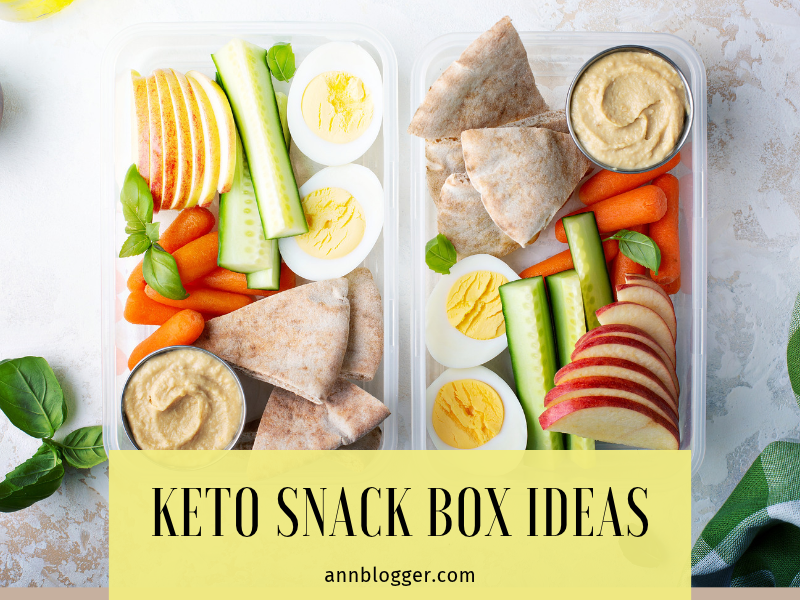
Keto Snack Box Ideas: 12 Easy Combinations
Keto snack box ideas make packing a snack simpler: choose a protein, add some crunchy vegetables, and finish with a small portion of cheese, nuts, olives, or a dip. A divided container keeps everything together without turning your snack into a soggy mixture.
Below are 12 combinations with suggested quantities, easy swaps, and packing tips. Start with one that uses ingredients you already have, then adjust the portion to your appetite and eating plan.
Quick start: Pack one hard-boiled egg, 1 ounce of cheddar, half a cup of cucumber slices, and 1 tablespoon of almonds. Keep it chilled and check your ingredients’ labels if you track carbohydrates.
These are adult snack ideas, not a prescribed diet or a guarantee of ketosis. Individual carbohydrate targets differ, and brands, portions, and additions change the nutrition of a box. The photographs are illustrative; use the written quantities when assembling a serving.
What Is a Keto Snack Box?
A keto snack box is a portable selection of foods chosen to fit a carbohydrate-restricted eating pattern. Unlike a traditional snack box built around crackers, bread, or sweetened yogurt, these combinations emphasize ingredients such as eggs, chicken, vegetables, cheese, nuts, and olives.
The label “keto” does not make a food unlimited. Nuts, nut butter, vegetables, and dairy still contribute carbohydrates, and snack portions can quickly become meal-sized.
If you want individual snack suggestions rather than assembled combinations, browse our keto snacks and easy keto snacks collections.
How to Build a Snack Box You Will Enjoy
Use this as a flexible packing formula, not a nutritional prescription:
- Choose a main ingredient: an egg, plain cooked chicken, tuna, cheese, or tofu.
- Add crunch: cucumber, celery, radishes, or bell pepper.
- Include an extra: olives, avocado, nuts, seeds, or a small pot of dip.
- Keep wet and dry foods separate: use a leakproof cup for dressings and spreads.
For the combinations below, ounces refer to weight. One ounce is approximately 28 grams; 2 ounces is about 57 grams. Measure tablespoons level. The suggested portions are starting points, not identical calorie or carbohydrate servings.
12 Keto Snack Box Ideas
1. Egg, Cheddar, and Cucumber Box
Pack: 1 large hard-boiled egg, 1 ounce cheddar, 1/2 cup cucumber slices, and 1 tablespoon almonds.
Cut the egg into halves and cube the cheese. Place the almonds in a dry compartment and blot the cucumber before packing.
Easy swap: Use a tablespoon of pumpkin seeds instead of almonds if suitable for your allergy needs.
Packing tip: This is a useful starting box because each component stays separate and can be adjusted independently.
2. Chicken and Olive Crunch Box
Pack: 2 ounces plain cooked chicken, 1/2 cup cucumber, 5 pitted olives, and 1 teaspoon olive oil mixed with a little lemon juice.
Slice the chilled chicken and pack the dressing separately. Add it when you eat.
Easy swap: Plain cooked turkey can replace chicken.
Check the label: Ready-cooked chicken may contain a sweet glaze or added sauce. Use the nutrition information for the product you actually buy.
3. Mini Caprese Snack Box
Pack: 2 ounces fresh mozzarella, 1/4 cup cherry tomatoes, a few basil leaves, 1/2 cup cucumber, and 1 teaspoon olive oil.
Drain the mozzarella, halve the tomatoes, and keep the oil in a small cup. Add basil shortly before eating for a fresher texture.
Easy swap: Use a smaller portion of feta for a different flavor; recalculate nutrition if tracking.
Packing tip: Skip sweet balsamic glaze or account for it using its label.
4. Celery and Peanut Butter Box
Pack: 1/2 cup celery sticks, 1 tablespoon peanut butter without added sugar, and 1 tablespoon almonds.
Keep the peanut butter in a dip cup so the celery stays crisp.
Easy swap: Use an unsweetened sunflower seed butter that fits your needs.
Check the label: “No added sugar” does not mean carbohydrate-free. Measure the spread rather than filling a compartment by eye.
5. Tuna and Cucumber Scoop Box
Pack: 2 ounces drained canned tuna, 1 tablespoon mayonnaise, 1 tablespoon chopped celery, and 1/2 cup thick cucumber rounds.
Mix the tuna, mayonnaise, and celery. Store the mixture in a separate sealed cup and use the cucumber as a scoop.
Easy swap: Plain cooked chicken makes a similar combination.
Packing tip: Assemble close to the time you need it and keep the mixture chilled. This is a good option when you have a refrigerator available.
6. Egg and Avocado Box
Pack: 1 hard-boiled egg, 1/4 medium avocado, 1/2 cup radish slices, and a squeeze of lemon.
Cut the avocado shortly before packing. A little lemon may help limit browning, but it does not replace refrigeration.
Easy swap: Replace avocado with a small portion of olives.
Packing tip: Choose a container that limits movement so the avocado does not get mashed into the radishes.
7. Turkey and Cheese Roll-Up Box
Pack: 2 ounces ready-to-eat sliced turkey, 1 ounce provolone, 1/2 cup cucumber, and 1 small dill pickle.
Roll the cheese inside the turkey slices and place the pickle in its own compartment.
Easy swap: Use slices of plain home-cooked turkey.
Check the label: Compare turkey and pickle labels for carbohydrates and sodium. Honey-roasted turkey and sweet pickles are different products from the plain versions described here.
8. Tofu and Sesame Crunch Box
Pack: 2 ounces fully cooked plain firm tofu, 1/2 cup cucumber, 1/4 cup bell pepper strips, and 1 teaspoon sesame seeds.
Cool cooked tofu promptly before packing it with the vegetables. Add a small amount of lemon juice for flavor if you like.
Easy swap: Replace sesame seeds with pumpkin seeds where appropriate.
Packing tip: This combination has no dairy or egg ingredients, but check product labels and preparation surfaces for your own allergy needs.
9. Cottage Cheese and Radish Box
Pack: 1/3 cup plain cottage cheese, 1/2 cup cucumber, 1/4 cup radish slices, and a little chopped chive.
Use a leakproof pot for the cottage cheese and keep the vegetables separate.
Easy swap: Plain Greek yogurt can work as a savory dip, but its nutrition will differ.
Check the label: Cottage cheese contains carbohydrates. Compare the serving on the package with the amount you put in your pot.
10. Shrimp and Avocado Box
Pack: 2 ounces fully cooked chilled shrimp, 1/4 medium avocado, 1/2 cup cucumber, and a lemon wedge.
Pack the shrimp in a sealed section and add avocado just before leaving if possible.
Easy swap: Use plain cooked chicken if shellfish is unsuitable.
Packing tip: Keep this box cold throughout transport and storage. Sweet cocktail sauce is not included in the combination; count it separately if added.
11. Cheddar, Walnut, and Pepper Box
Pack: 1 ounce cheddar, 1 tablespoon walnut pieces, 1/4 cup bell pepper strips, and 5 pitted olives.
This box needs little preparation beyond slicing the pepper and cheese. Dry the olives before placing them alongside other ingredients.
Easy swap: Replace walnuts with a measured portion of pumpkin seeds.
Packing tip: Keep nuts in a dry cup. Check seasoned nuts for coatings and added ingredients.
12. Salmon and Cream Cheese Cucumber Box
Pack: 2 ounces fully cooked chilled salmon, 1 tablespoon plain cream cheese, 1/2 cup thick cucumber slices, and a little dill.
Flake the salmon into its own compartment. Spread a little cream cheese on the cucumber and add salmon when you eat.
Easy swap: Use drained canned salmon, checking for bones and following the package’s storage instructions.
Packing tip: Assemble the cucumber bites at snack time so they do not become watery. Keep all components refrigerated.
Which Box Should You Make First?
| What you want | Start with |
| A simple combination of familiar ingredients | Egg, cheddar, and cucumber |
| A box without fish | Chicken and olive crunch |
| An option without meat or fish | Mini Caprese |
| A combination without egg or dairy ingredients | Tofu and sesame crunch |
| A small snack with very little assembly | Celery and peanut butter |
| Something to assemble when you eat | Salmon and cream cheese cucumber |
Ingredients can overlap across boxes. For example, cucumber, eggs, cheddar, and chicken let you make several combinations without buying 12 separate sets of groceries.
How to Check Carbohydrates for Your Portion
There is no single verified nutrition total that applies to every brand and version of these boxes. A tablespoon of one peanut butter or mayonnaise may have a different composition from another.
For packaged foods, use the product’s nutrition label. For unbranded ingredients, USDA FoodData Central provides food composition records. Match the food carefully: raw and cooked ingredients, drained and undrained products, and different fat levels are not interchangeable.
To calculate a nutrient for your serving:
Amount per labeled serving × amount you use ÷ labeled serving size.
For example, if a hypothetical label lists 6 grams of carbohydrate per 30 grams of food, a 15-gram portion contributes 3 grams. Repeat for each ingredient and add the amounts.
If you follow a carbohydrate target, use the counting method agreed with your clinician or dietitian. Do not assume a “keto” label or a calculated net-carb figure guarantees ketosis.
A Simple Prep Routine for Workdays
Choose two or three boxes for the next few days rather than preparing every option at once.
- Check what is already in the refrigerator and note when cooked ingredients were prepared.
- Wash produce under running water and dry it.
- Cook ingredients that need cooking, then cool and refrigerate them promptly.
- Portion nuts and seeds into small dry containers.
- Pack dips separately and add avocado close to serving.
- Label boxes with their preparation date.
Putting food into a new container does not restart its safe storage time. Follow package instructions and the storage limit of the shortest-lived ingredient. For specific foods, consult the FoodSafety.gov cold food storage chart.
Keeping Snack Boxes Safe at Work
Keep perishable ingredients refrigerated at 40°F / 4°C or below. Do not leave them at room temperature for more than 2 hours, or more than 1 hour when temperatures exceed 90°F / 32°C. These are food safety limits, not recommended times to leave your lunch on a desk. FDA storage guidance
For transport, use an insulated lunch bag. USDA recommends at least two cold sources, such as frozen gel packs, placed around perishable items. Refrigerate your box when you arrive if a refrigerator is available. USDA packed-lunch guidance
If you cannot keep food cold, choose products specifically labeled shelf-stable and follow their instructions after opening. The assembled egg, dairy, meat, fish, and tofu boxes above are not designed to sit unrefrigerated all day.
Shopping List: Three Boxes with Shared Ingredients
To make one egg-and-cheddar box, one chicken-and-olive box, and one mini Caprese box, you need:
- 1 large egg
- 1 ounce cheddar
- 2 ounces plain cooked chicken
- 2 ounces fresh mozzarella
- 1 1/2 cups sliced cucumber
- 1/4 cup cherry tomatoes
- 1 tablespoon almonds
- 5 pitted olives
- 2 teaspoons olive oil
- A little lemon juice and a few basil leaves
These are recipe quantities, not supermarket package sizes. Multiply only the boxes you intend to make, and plan storage before preparing several days of food.
For broader shopping inspiration, visit our ketogenic diet for beginners guide.
Frequently Asked Questions
Can I make these snack boxes without cooking?
Several can be assembled from ready-to-eat ingredients, including the Caprese, celery-and-peanut-butter, cottage-cheese, and cheddar-and-walnut boxes. Other combinations require eggs, meat, tofu, or seafood that have already been safely cooked.
Can a snack box replace lunch?
That depends on its contents, portion size, and your needs. These are snack suggestions, not nutritionally complete meal plans. A small box may not provide enough food for lunch.
Are these boxes suitable for everyone following keto?
No single combination fits every carbohydrate target, allergy, or medical situation. Check ingredients and portions. If you follow keto for medical reasons, use your care team’s guidance.
Can I prepare all five workdays at once?
Do not assume every assembled box keeps safely for five days. Ingredients have different storage limits, and food prepared earlier has already used part of its storage time. Prepare shorter batches and use the storage chart linked above.
What can I use instead of crackers?
Cucumber rounds, celery sticks, or bell pepper strips can work as scoops or crunchy sides. Their texture is different from crackers, but they pair well with the dips and proteins in these boxes.
Do I need expensive snack containers?
No. A clean food-safe container plus a small leakproof dip pot is enough. Separate compartments are convenient, but safe temperature control matters more than the container’s appearance.
Choose Two Combinations for Your Next Shop
Start with two boxes that share ingredients, measure your portions, and pack foods in a way that keeps them fresh and cold. Once you know which textures and flavors you enjoy, rotate in another combination.
Save this list for your next grocery trip, or print the three-box shopping list above to make your first batch easier.